



09 Mar The Business Side of Events
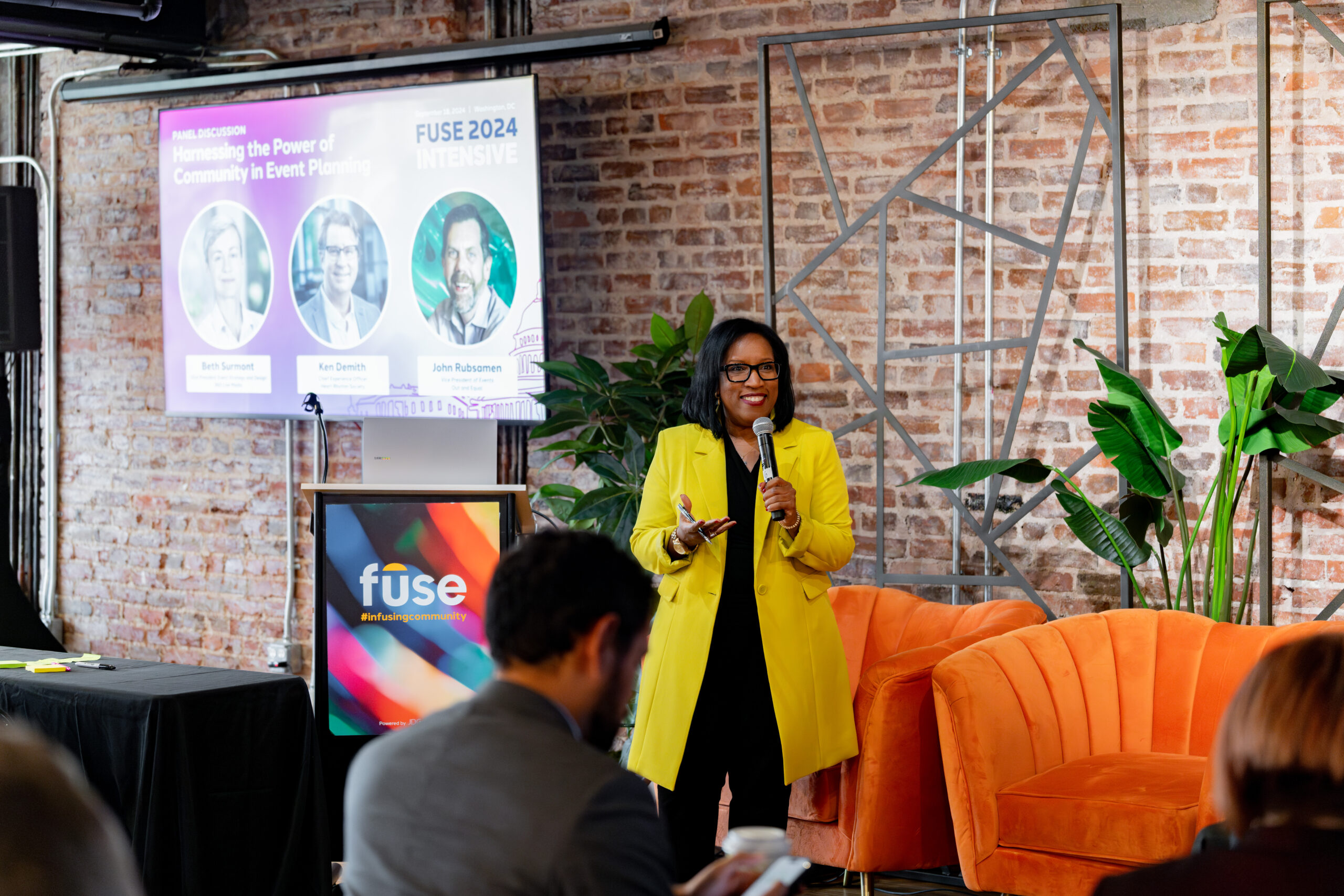
Events are not simply gatherings; they are engines for growth. When designed with intention, they have the power to generate revenue, attract investment, build meaningful partnerships, elevate destinations, and in many cases, define the identify of an entire sector.
Organization CEOs and senior executives understand this. They are charged with driving growth, protecting reputation, and making decisions that affect long term stability. They know that how and where people gather has direct economic consequences and brand implications.
However, event professionals need to see their work through that same lens.
In our field, it is easy to get pulled into execution. Timelines, speaker logistics, production details, registration goals. Those elements matter. But when execution becomes the only focus, the broader business opportunity can get lost.
Many event professionals were never formally taught how to think like business leaders. They may lack exposure to financial strategy, growth planning, and executive decision-making. However, that doesn’t mean they can’t develop that mindset. In fact, doing so is one of the most important ways to strengthen your role and increase your influence within your organization.
We are in a period where growth is necessary, but it will not come from repeating what has always been done. Audiences are selective and budgets are tighter. Expectations are also higher so events must do more than convene people. They must be positioned to move something forward.
A helpful way to think about this shift is through a simple framework: Purpose. Strategy. Impact. Here’s a look at each of them:
Purpose: Why does this event exist?
Before looking at venues or drafting an agenda, pause and ask a bigger question. What role does this event play in the organization’s success? Is it meant to generate significant revenue? Increase membership retention? Attract sponsors? Position the organization as a thought leader? Strengthen a professional community?
Attendance alone is not the purpose. When you clarify purpose, you give direction to every decision that follows. Programming becomes more focused, sponsorship conversations become more intentional and marketing becomes clearer. Leadership gains confidence because the event is connected to business outcomes, not just activity.
Thinking this way also changes how you see your own role. You are no longer managing a meeting; you are positioning your organization to advance its mission.
Strategy: How will we make that happen?
Once the purpose is clear, strategy connects that intention to action.
Strategy is more than selecting speakers or choosing themes. It includes identifying the right audience segments, shaping an experience that supports specific goals, aligning internal stakeholders, planning meaningful partnerships, and deciding in advance how success will be measured.
Without this level of thought, events can become busy but unfocused. With it, they become a lever for growth.
For example, if the purpose is to expand into a new market segment, your strategy may involve inviting leaders from adjacent sectors, designing sessions that address shared challenges, and creating structured networking opportunities that encourage collaboration. If the goal is member retention, you might prioritize peer exchange, mentorship moments, and practical tools attendees can immediately apply.
Collaboration is a key part of this stage. No industry grows in isolation. Consider how partners, destinations, sponsors, and community leaders can help broaden reach and deepen value. When you position your event as a place where meaningful connections happen across sectors, you increase its importance.
Listening also belongs here. Developing a business mindset means recognizing that your audience is not a passive group. They are stakeholders. Speak with them regularly. Ask what challenges they are facing. Ask what would make participation essential rather than optional. When they share candid feedback, use it. That responsiveness builds trust and strengthens loyalty over time.
Impact: What actually changed?
Impact is where accountability enters the conversation.
After the event, look beyond satisfaction scores. What shifted? Did new partnerships form? Did sponsors report stronger pipelines? Did members renew at higher rates? Did local businesses see measurable economic activity? Did industry conversations move in a new direction?
You may not have all of this data immediately, but you can begin building systems to track it. Follow up with key stakeholders. Collect stories of deals initiated or collaborations launched. Measure engagement over the months that follow and share those findings with leadership. When you demonstrate tangible results, your event is no longer seen as an expense line. It becomes an investment with visible return.
This mindset also benefits you personally. Professionals who can articulate business impact earn greater credibility in executive conversations. They are invited into earlier planning discussions and have stronger influence over budgets and priorities.
Committing to growth in your own thinking
Adopting a business mindset does not mean abandoning creativity or hospitality. It means anchoring those strengths in clear intention.
You can start small by asking better questions at the beginning of planning. Request clarity from leadership about expected outcomes and build one new metric into your post event reporting. You might also initiate one deeper listening conversation with your audience and explore a partnership that expands your reach.
Over time, these practices build momentum. You begin to see patterns and you’ll recognize opportunities earlier. This will often lead to building confidence in discussing revenue, positioning, and long term value.
Events have the power to convene, to inspire, and to influence decisions. They bring people into the same room to address shared challenges and imagine new possibilities. When guided by clear purpose, thoughtful strategy, and measurable impact, they can shape industries and strengthen institutions.
As event professionals, we have the opportunity to move from being seen as logistical planners to leaders of growth. The next time you begin planning, step back and ask what this event is truly meant to accomplish. Clarify the purpose, build the strategy, define the impact, leverage your partners and listen relentlessly. The final step is to adjust along the way.
When you do, your event will not simply fill a calendar. It will move people, organizations, and communities forward.

JDC Events is a Washington, D.C.-based event management firm with 25+ years of experience serving corporate, government, and association clients. Named a top 25 meeting and event planning company in the D.C. region for 14 consecutive years, JDC combines strategic thinking with its proprietary EventScience™ Process to create experiences that drive real business outcomes.