


07 Oct 6 Common Pain Points in Venue Sourcing — and How to Solve Them
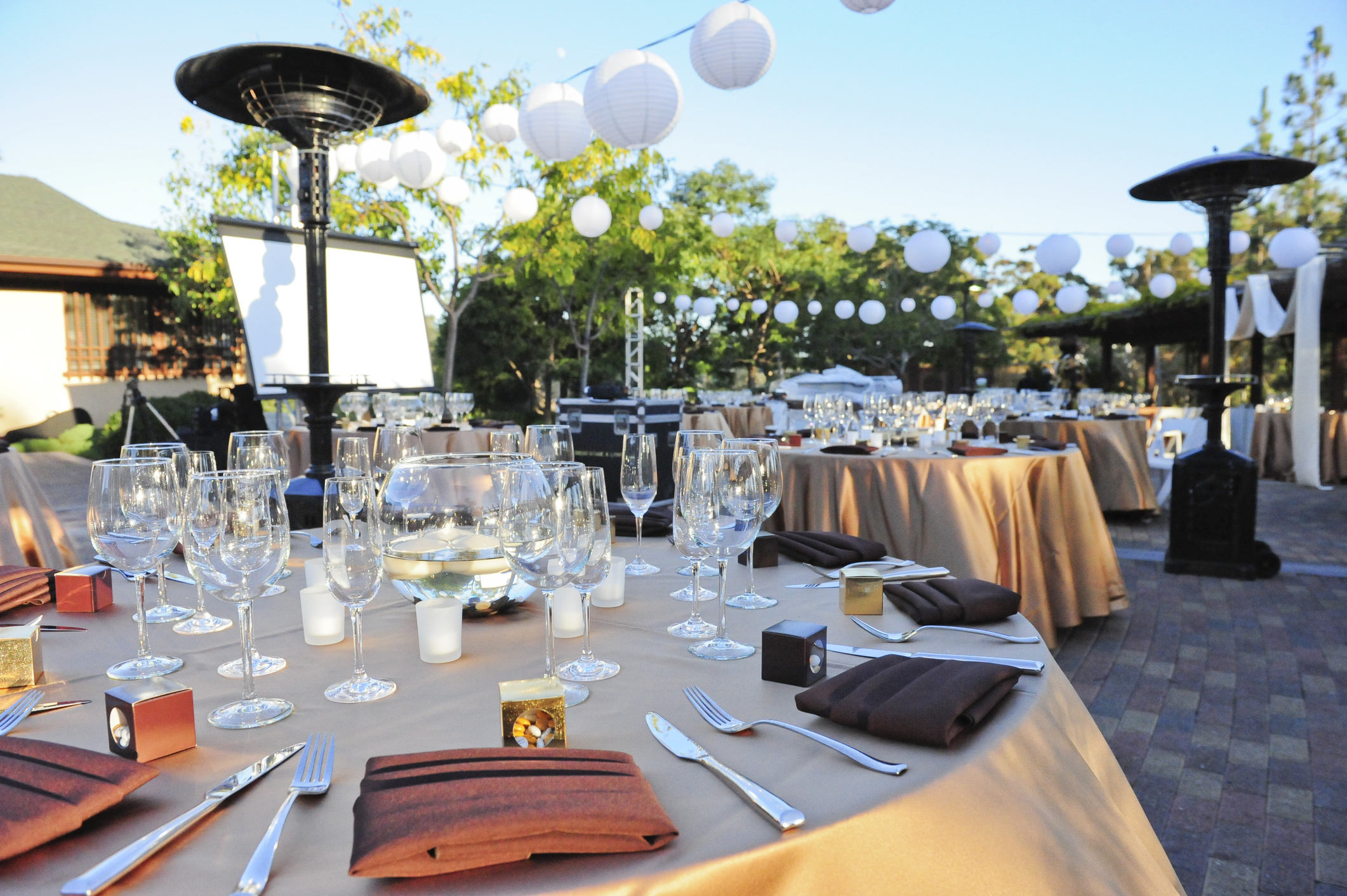
Sourcing the right venue is one of the most critical — and often most challenging — steps in planning a successful corporate event. Whether you’re organizing a leadership retreat, product launch, or annual conference, the venue sets the tone, impacts the budget, and shapes the attendee experience.
But as demand for in-person events increases, planners are facing new hurdles. Here are five of the most common pain points in venue sourcing today — and practical solutions to help you navigate them.
1. Limited Availability and Short Hold Times
The Challenge:
With more organizations returning to live events, venues are booking up faster than ever. Hold windows are shrinking, and planners are often forced to make decisions before internal approvals are finalized.
The Solution:
- Start early. Begin sourcing 12–24 months in advance, especially for peak seasons or popular cities.
- Be flexible. Consider mid-week dates or off-season timing to expand your options.
- Use sourcing platforms. Tools like Cvent, Reposite, and Hopskip can help you compare availability across multiple venues quickly.
- Build relationships. Venues are more likely to extend holds or offer flexibility to planners they know and trust.
2. Rising Costs and Hidden Fees
The Challenge:
Venue costs have surged, and many planners are blindsided by unexpected charges — from union labor and rigging fees to mandatory service charges and resort fees.
The Solution:
- Request detailed quotes. Ask for itemized breakdowns that include all potential fees.
- Negotiate creatively. Consider asking for complimentary Wi-Fi, waived room rental fees, or reduced F&B minimums.
- Review historical spend. Use data from past events to forecast realistic budgets and avoid surprises.
- Ask about package deals. Some venues offer bundled pricing that can reduce overall costs.
3. Inflexible Venue Policies
The Challenge:
Exclusive vendor contracts, strict cancellation terms, and limited customization options can restrict your ability to deliver the experience you envision.
The Solution:
- Clarify deal-breakers early. Include your must-haves in the RFP to avoid wasting time.
- Negotiate vendor flexibility. Ask if you can bring in your preferred partners or if exceptions can be made.
- Review contracts carefully. Ensure cancellation and force majeure clauses protect your organization.
- Ask about policy updates. Some venues have revised policies, year after year — don’t assume they’re the same as before.
4. Misalignment with Attendee Needs
The Challenge:
A venue may look great on paper but fail to meet the expectations of your audience — whether due to poor accessibility, lack of amenities, or mismatched ambiance.
The Solution:
- Use attendee personas. Consider your audience’s preferences, mobility needs, and expectations.
- Prioritize accessibility. Look for venues with easy transportation access, ADA compliance, and nearby lodging.
- Think beyond hotels. Museums, galleries, and co-working spaces can offer fresh experiences that resonate with modern audiences.
- Conduct site visits. Seeing the space in person helps you assess flow, comfort, and vibe.
5. Lack of Real-Time Feedback During Sourcing
The Challenge:
Planners often rely on post-event surveys or internal assumptions to evaluate venue fit, missing out on real-time sentiment and broader audience insights.
The Solution:
- Use social listening tools. Platforms like Brandwatch, SproutSocial, or Mention can help you monitor online chatter about venues.
- Ask attendees directly. During site visits or events, ask where and how they’re connecting — and what’s missing.
- Document feedback. Use this input to inform future sourcing decisions and improve attendee experience.
- Track soft metrics. Dwell time, engagement zones, and informal feedback can be more telling than badge scans.
6. Increased Time Crunch
The Challenge:
Event planners are facing tighter timelines and rising expectations. The pressure to deliver high-quality experiences quickly turns time into a major obstacle.
The Solution:
- Leverage Your CVB: Convention and Visitors Bureaus exist to help you succeed. They offer insider knowledge, local connections, and promotional support to streamline your planning process.
- Engage National Brand Reps: Send your RFPs directly to representatives of national hotel and venue brands. Their direct access to properties can accelerate your search and provide tailored recommendations.
- Use a Layered Search Strategy: Start with a broad online search to identify potential venues. Then, upload your shortlist to an AI tool to evaluate options against your specific criteria. Don’t forget to ask about unconventional or under-the-radar venues—they might be the perfect fit.
Final Thought: Venue Sourcing Is Strategy, Not Just Logistics
Choosing the right venue isn’t just about availability or cost — it’s about creating an environment where your event goals can thrive. By anticipating common challenges and applying thoughtful solutions, planners can source venues that elevate the experience, support the brand, and deliver measurable results.
JDC Events is a Washington, D.C.-based event management firm with 25+ years of experience serving corporate, government, and association clients. Named a top 25 meeting and event planning company in the D.C. region for 14 consecutive years, JDC combines strategic thinking with its proprietary EventScience™ Process to create experiences that drive real business outcomes.